Restoring Ecological Connectivity in the Pays Voironnais
PIC VERT X Ville de Voiron x PVBC
Voiron (Isère)
2 350€
-
Reducing collision risks and making wildlife crossings safer.
Titre
Several partners working together to bring the project to life
Paragraphe
During the 2025–2026 season, the Pays Voironnais Basket Club partnered with the Sidas World Foundation to raise funds and contribute to the financing of local biodiversity initiatives. For every three-point shot scored at home games, 25€ was donated to the Foundation. Made possible through the support of local businesses Caré TP, Pluralis, Cholat and Arc en ciel, this initiative raised 2 350€.
To allocate these funds to meaningful and impactful projects, the Sidas World Foundation and PVBC joined forces with the City of Voiron and the Pic Vert association.
Based in Rives, Isère, the Pic Vert association works to promote the understanding and protection of wildlife, flora, natural habitats, and landscapes, while fighting against all forms of pollution and environmental disturbance. Today, the association has more than 1,000 members. One of the association’s main initiatives is the acquisition of land parcels in order to create nature reserves, ponds, and ecological corridors that allow wildlife to move freely between habitats. (source : https://lepicvert.org/association)
Titre
Recenser pour pouvoir cartographier puis aménager
Paragraphe
The ecological connectivity restoration project in the Pays Voironnais region aims to reduce wildlife road collisions.
Road traffic is one of the leading causes of direct mortality among wild animals. Beyond their impact on biodiversity, these collisions also represent a safety issue for road users. Mapping the areas with the highest accident rates makes it possible to identify conflict points between infrastructure and natural wildlife movements, allowing to target the most effective mitigation measures.
Ecological corridors help restore ecological connectivity by reconnecting biodiversity reservoirs. Animals need to be able to move freely to find food, reproduce, access new habitats, or adapt their ranges in response to climate change. When a road interrupts these movements, it fragments populations and limits their ability to complete their life cycles.
Beyond reducing mortality rates, restoring these ecological connections is essential to maintaining healthy ecosystem functioning. Isolated populations exchange fewer genes and become more vulnerable to diseases, climate-related events, and local extinction. By restoring functional wildlife crossings, these initiatives strengthen species resilience and contribute to maintaining rich and sustainable biodiversity across the region.
Many species are affected, including barn owls, hedgehogs, pine martens, and polecats. Some species are particularly vulnerable to collisions during migration periods, such as amphibians in spring.
In order to map the species affected and identify the main conflict points, the association first records wildlife roadkill incidents. This will make it possible to develop recommendations for infrastructure improvements aimed at reducing collision risks as much as possible and securing wildlife crossings. This essential first stage of the project is supported financially by PVBC and the Sidas World Foundation.
Various mitigation measures could then be implemented by the Isère Department, the Pays Voironnais Urban Community, or the City of Voiron, which will be responsible for carrying them out.
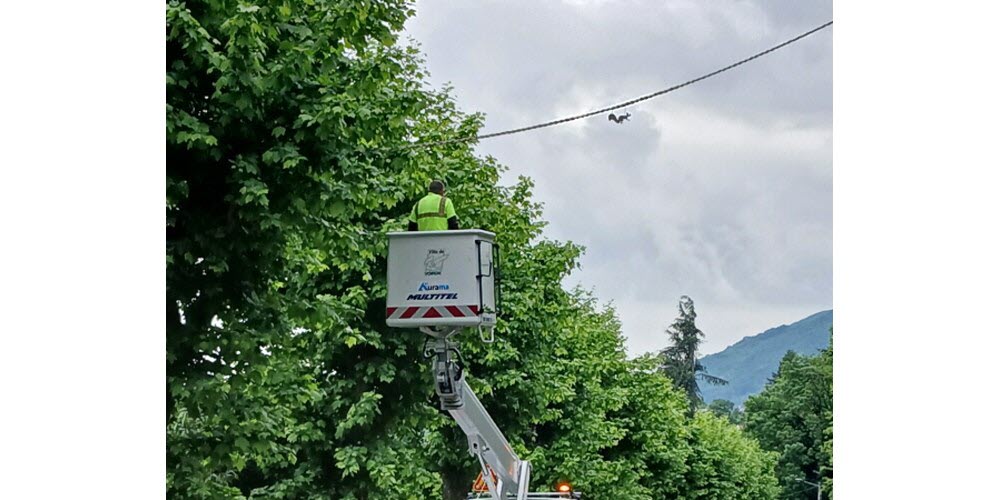
Among the possible solutions, wildlife overpasses and underpasses could prove effective, as well as dedicated structures such as squirrel bridges.
Paragraphe
Examples :
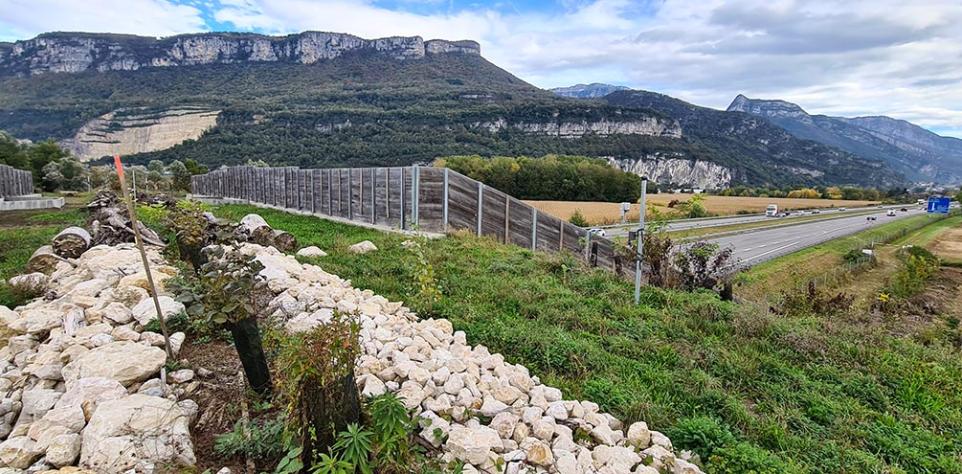
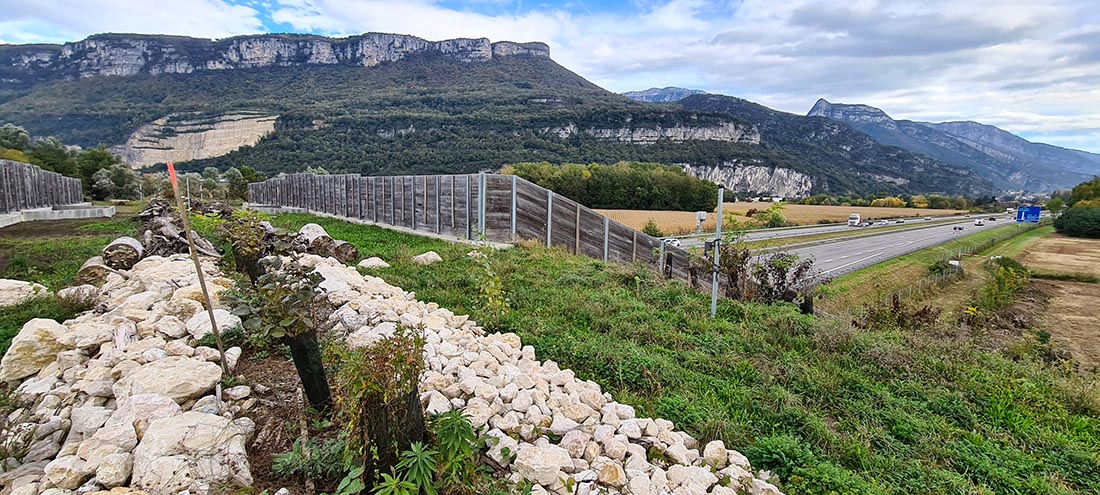
Wildlife overpass: Vegetation-covered bridges that span roads or highways. They are used by large mammals (deer, roe deer, wild boar, lynx, etc.) as well as by many other species.
Squirrel bridge: A structure that allows squirrels and other small tree-dwelling animals, such as martens, to safely cross an obstacle. It generally consists of a simple rope stretched between two trees.