Rewilding the Dauphiné Alps
REWILDING France
Alpes du Dauphiné
15 000 €
-
Restoring the natural processes of biodiversity for a more resilient nature.
Titre
Rewilding Europe
Paragraphe
« Rewilding Europe works to bring back wild nature at scale in Europe in ways that benefit both nature and people. We work to scale up nature recovery across the continent by reintroducing keystone species and removing man-made barriers, allowing natural processes to thrive. Our mission is to demonstrate that a wilder Europe is not only possible but essential for a climate-resilient, healthy, and prosperous society. »
Titre
Rewilding France - In the Alps
Paragraphe
Faced with the artificialisation of landscapes, Rewilding France aims to restore the functionality of ecosystems by allowing nature to self-regulate and by reinstating natural biodiversity processes.
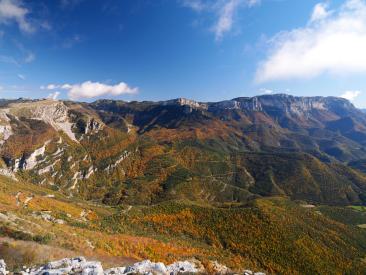
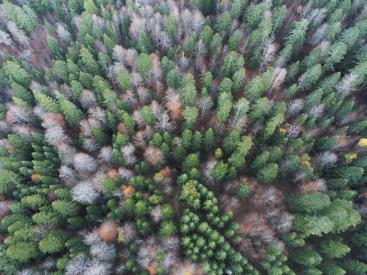
In the Dauphiné Alps (an area of around 470,000 hectares), Rewilding has chosen to implement various measures, such as protecting and restoring forests to increase their resilience to climate change, as well as setting up initiatives that promote coexistence with wildlife.
Among these different approaches, the Sidas World Foundation has chosen to focus on river restoration and the recovery of natural grazing.
Paragraphe
Restoring rivers
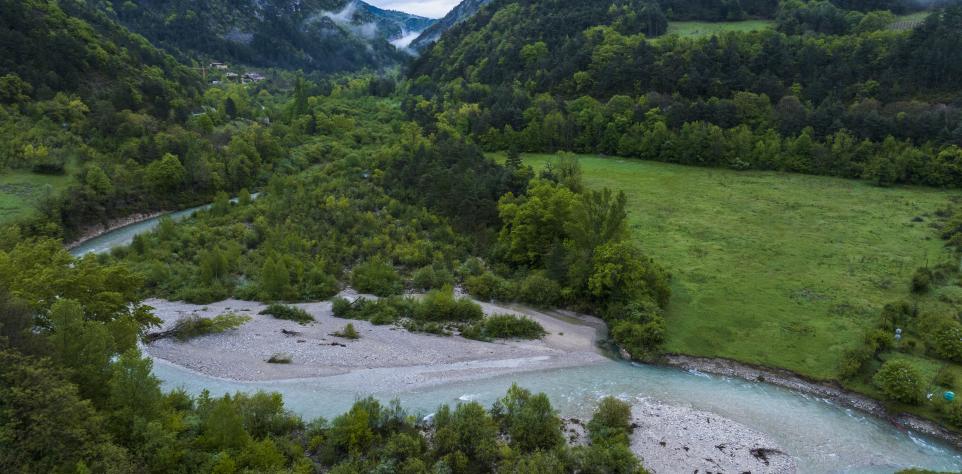
In the Dauphiné Alps, the hydrological network is characterized by a strong presence of braided rivers. These rich and dynamic environments play a key role in maintaining biodiversity and ecosystem balance.
However, their natural functioning is now disrupted. Excessive sediment extraction, carried out until the 1990s, has depleted rivers of essential materials such as gravel and sand. At the same time, reforestation in catchment areas and the construction of dams have reduced erosion and limited the natural downstream supply of these sediments. Deprived of these resources, rivers tend to incise into their beds, significantly altering their natural dynamics.
In response, the goal is to restore sediment flows so that rivers can regain their natural functioning: erosion, transport, and deposition of materials, as well as occasional flooding. These processes are essential for habitat regeneration and the proper functioning of ecosystems. To achieve this, interventions will include the removal of obsolete dams and dikes, the modification of weirs, bank restoration, the reactivation of gravel beds, and more.
This approach will also support the return of beavers and otters, while improving their coexistence with humans.
Paragraphe
Restoring natural grazing
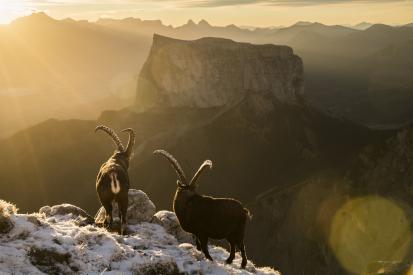
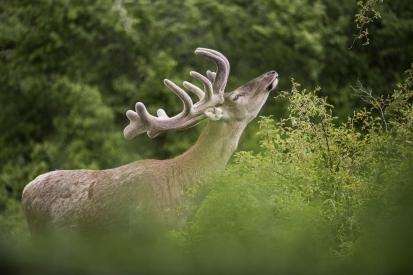
The restoration of open landscapes and forest regeneration partly relies on the return of natural grazing. However, a major obstacle remains: the absence of a diverse group of free-ranging large herbivores. While some species such as chamois, ibex, deer, and wild boar are well present, the largest wild herbivores are still missing in many areas.
To address this issue, the development of herds of de-domesticated horses and cattle appears to be a relevant solution, particularly in regions where pastoralism is declining. These areas, often difficult to access and increasingly abandoned, are also among the most exposed to wildfires. By reintroducing natural grazing, these herbivores help limit flammable vegetation.
Beyond reducing wildfire risk, large herbivores play a central role in ecosystem regeneration. They promote seed dispersal and fertilization through their droppings, support a mosaic of diverse habitats (such as less dense forest areas and clearings), and contribute to plant regeneration. Herds will therefore be deployed over the long term.